


sports

Sports

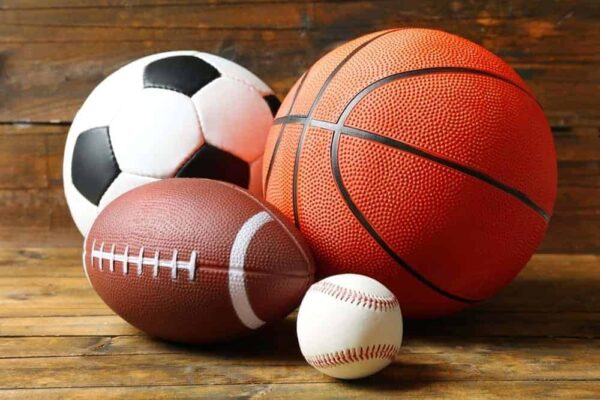
A sport is a physical activity or game,[1] often competitive and organised, that maintains or improves physical ability and skills. Sport may provide enjoyment to participants and entertainment to spectators.[2] The number of participants in a particular sport can vary from hundreds of people to a single individual. Sport competitions may use a team or single person format, and may be open, allowing a broad range of participants, or closed, restricting…

Read More
Technology

Technology

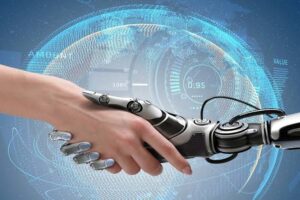
Technology is the application of conceptual knowledge to achieve practical goals, especially in a reproducible way.[1] The word technology can also mean the products resulting from such efforts,[2][3] including both tangible tools such as utensils or machines, and intangible ones such as software. Technology plays a critical role in science, engineering, and everyday life.[4][5] Technological advancements have led to significant changes in society. The earliest known technology is the stone tool, used during prehistory, followed…

Read More
Game

Game

A game is an activity defined by a challenge and a set of rules,[1] typically done for enjoyment, competition, or development. Games may be played informally or in professional competitive settings before audiences. Popular formats include board games, card games, video games, and sports, distinguished from unstructured play by having rules.[2] Scholars have long debated the essence of games, with no single definition…

Read More
health

Health

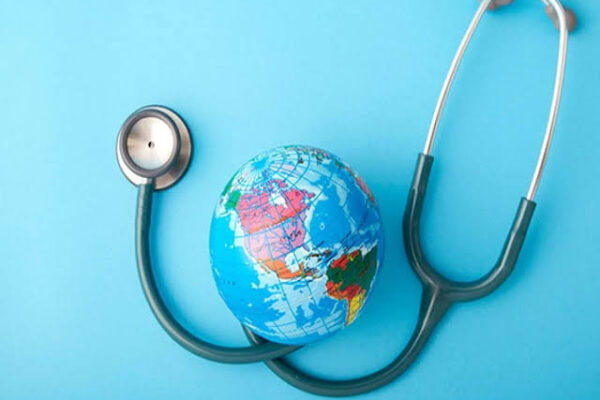
Health has a variety of definitions which have been used for different purposes over time and is a multidimensional concept. It commonly refers to physical and emotional well-being. Good health is associated with normal functioning of the human body in day to day life, absent of disease, pain (including mental pain), or injury. Health can be promoted by encouraging healthful activities, such as regular physical…

Read More
food

Food

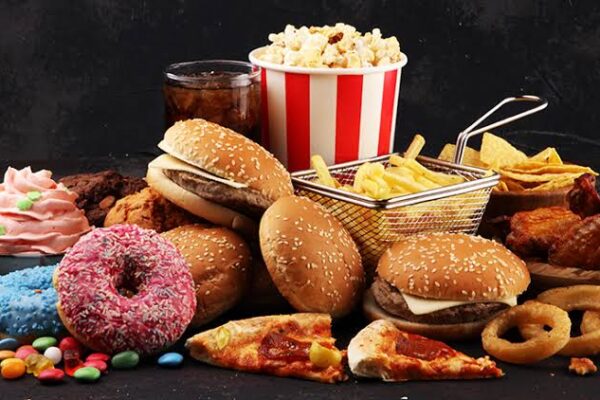
Food is any substance consumed by an organism for nutritional support. Food usually consists of plant, animal, or fungal origin and contains essential nutrients such as carbohydrates, fats, proteins, vitamins, or minerals. The substance is ingested by an organism and assimilated by the organism’s cells to provide energy, maintain life, encourage physical requirements, and support growth. Different species of animals have different feeding behaviours that satisfy the needs of their metabolisms and have evolved to…

Read More
News

News

News is information about current events. This may be provided through many different media: word of mouth, printing, postal systems, broadcasting, electronic communication, or through the testimony of observers and witnesses to events. News is sometimes called “hard news” to differentiate it from soft media. Subject matters for news reports include war, government, politics, education, health, economy, business, fashion, sport, entertainment, and the environment, as well as quirky or unusual events. Government proclamations, concerning royal ceremonies, laws, taxes, public health, and criminals, have been dubbed…

Read More
lifestyle

Lifestyle

Lifestyle is the interests, opinions, behaviours, and behavioural orientations of an individual, group, or culture.[1][2] The term “style of life” (German: Lebensstil) was introduced by Austrian psychologist Alfred Adler in his 1929 book, The Case of Miss R., with the meaning of “a person’s basic character as established early in childhood”.[3] The broader sense of lifestyle as a “way or style of living” has…

Read More
Fashion

Fashion

Fashion is a term used interchangeably to describe the creation of clothing, footwear, accessories, cosmetics, and jewellery of different cultural aesthetics and their mix and match into outfits that depict distinctive ways of dressing (styles and trends) as signifiers of social status, self-expression, and group belonging. As a multifaceted term, fashion describes an industry, designs, aesthetics, and trends.

Read More
Education

Education

Education is the transmission of knowledge and skills and the development of character traits. Formal education happens in a complex institutional framework, like public schools. Non-formal education is also structured but occurs outside the formal schooling system, while informal education is unstructured learning through daily experiences. Formal and non-formal education are divided into levels that include early childhood education, primary education, secondary education, and tertiary education. Other classifications focus on…

Read More
Back To Top